Music: Louis Karchin
Libretto: Joan Ross Sorkin
Synopsis
Roman Fever, An Opera in One Act, with music by Louis Karchin and libretto by Joan Ross Sorkin, is adapted from one of Edith Wharton’s most popular short stories, “Roman Fever.” It is a story of friendship, jealousy, and betrayal between two widows who return to Rome and admit to dark secrets from their trip twenty-two years before.
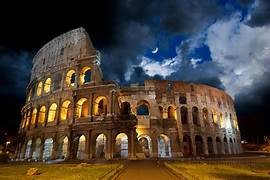
The opera, for two sopranos and an instrumental complement, is set in 1933 at an outdoor café in Rome overlooking the Colosseum where American widows Alida Slade and Grace Ansley, both in their late 40’s, reminisce about their prior trip to Rome, traveling under the watchful eyes of their mothers to see the great cultural Exhibition of 1911. They are both figures from Edith Wharton’s old New York, a world of manners where the conventions of society were always touted, but often broken by the well-to-do in surprising and unconventional ways.
Alida is the more matronly and more cunning of the two, and she married Delphin, her fiancée in 1911, who was an up-and-coming architect, also in Rome to visit the Exhibition. Grace, an attractive and yet more circumspect woman, had married the rather dull accountant Horace soon after the 1911 trip, and both couples lived near each other on the posh upper east side of New York ever since. Also on this trip are their two grown daughters, Alida’s Jenny, a reliable, though spiritless girl, and Grace’s Barbara, a beautiful, vivacious girl, though the girls do not appear on stage. As their afternoon in the café begins, Alida and Grace wave to them below as they set off on a date with two Italian men whom they recently met. It is clear that Alida is jealous of Barbara’s sparkling personality compared with her own Jenny’s rather bland demeanor.
During the afternoon, Alida and Grace reminisce how good friends they still are after all these years, and as they remark about the beauty and grandeur of the Colosseum, the Roman Forum and Palantine Hill, they are reminded of the tales of Roman Fever, a contagion that killed many Romans in days of antiquity, tales their mothers told to them to scare them from going out in the chill of night to engage in secret trysts. But idle chatter is not of interest to Alida who is itching to reveal a secret from long ago, believing no harm would come after all this time. She tells Grace that she knew the contents of a letter Grace received with Delphin’s signature back in the day, suggesting his yearning for her, a letter inviting Grace to meet him at the Colosseum that night for a rendezvous. When Grace is surprised that Alida knew about the letter that she had burned upon receipt, Alida blurts out that she in fact wrote it. She confesses she was always jealous of Grace’s good looks and lively personality and had noticed Delphin’s interest in Grace during that first sojourn to Rome. With great fanfare, Alida announces that she wrote the letter so Grace would go to the Colosseum and be disappointed that Delphin did not turn up and would then reject any subsequent advances by him. She also knew of Grace’s delicate disposition, and Grace indeed did fall ill after that chilly November evening. Grace’s secret love for Delphin is revealed as she recalls how, unbeknownst to Alida, she wrote him back, and they did meet at the Colosseum. Though shocked, Alida declares that a mere kiss from Delphin could not hold a candle to Alida’s blissful 22-year, high-society marriage to Delphin, while Grace was stuck with boring Horace. Grace, hurt by Alida’s spitefulness, summons her courage and counters with a bombshell: she received more than a kiss that night. Her gift from Delphin was Barbara.
Roman Fever is scored for two sopranos and an instrumental ensemble of twelve players: flute, clarinet, bassoon, French horn, trumpet, percussion, piano, two violins, viola, cello, and contrabass.
Approximate duration: 45 minutes
Production History
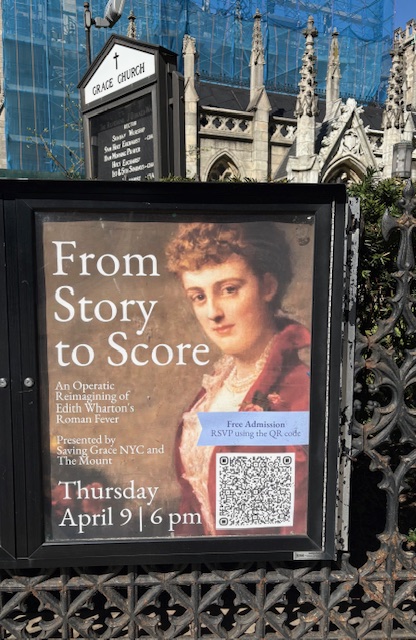
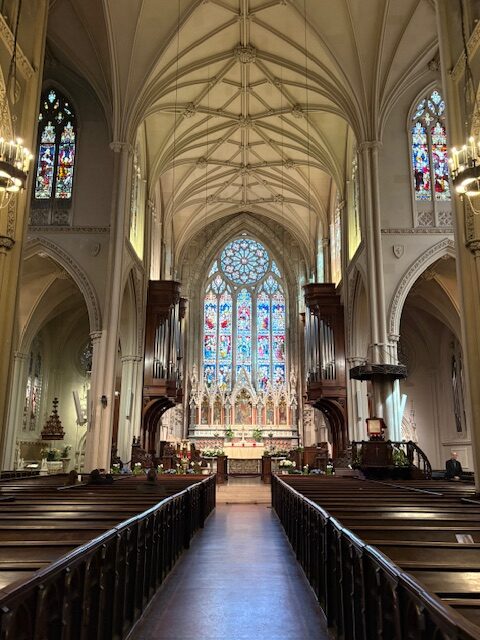
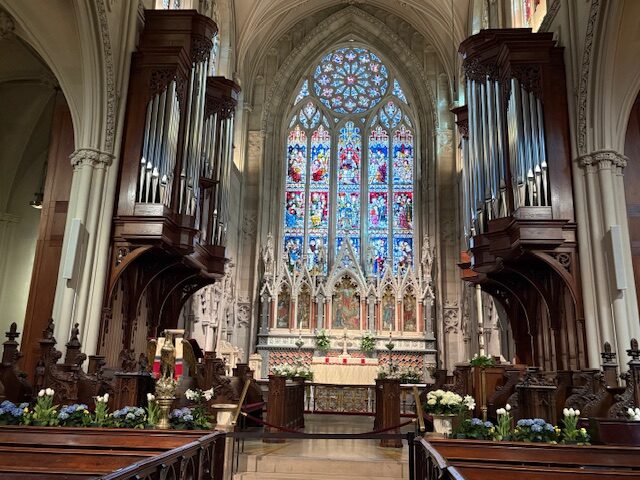
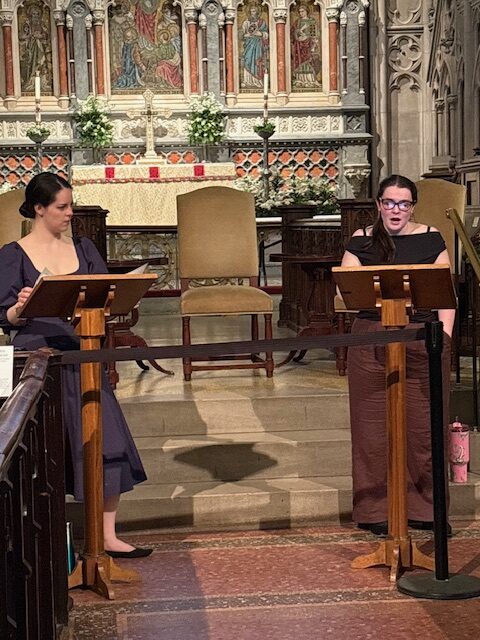
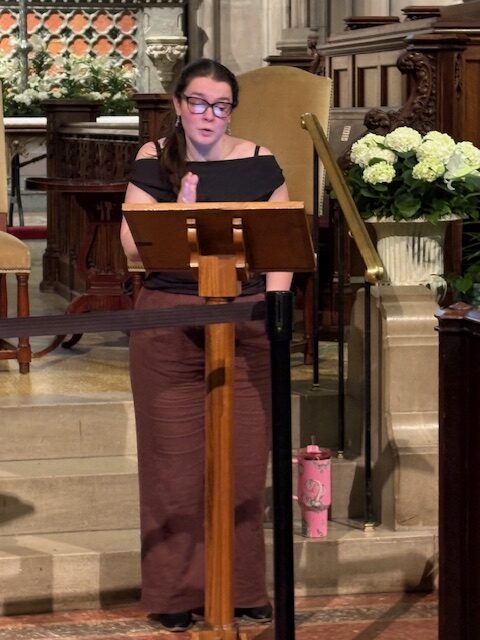
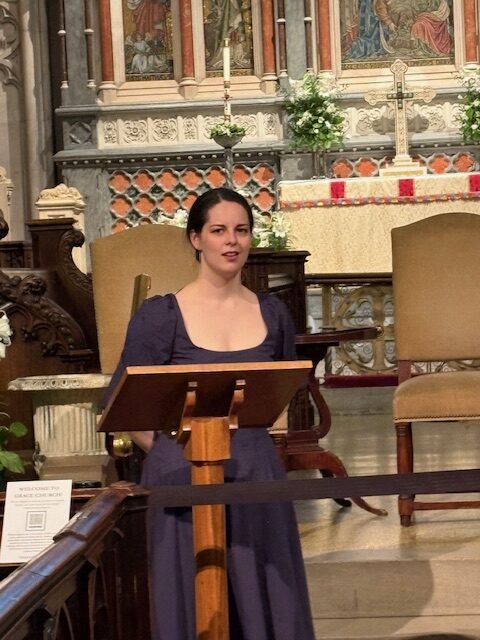
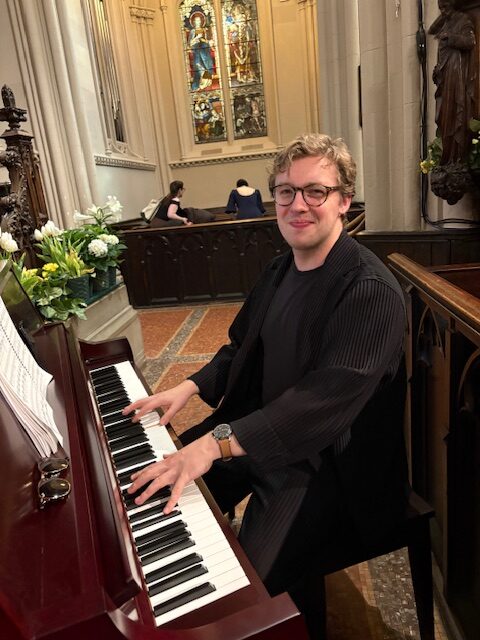
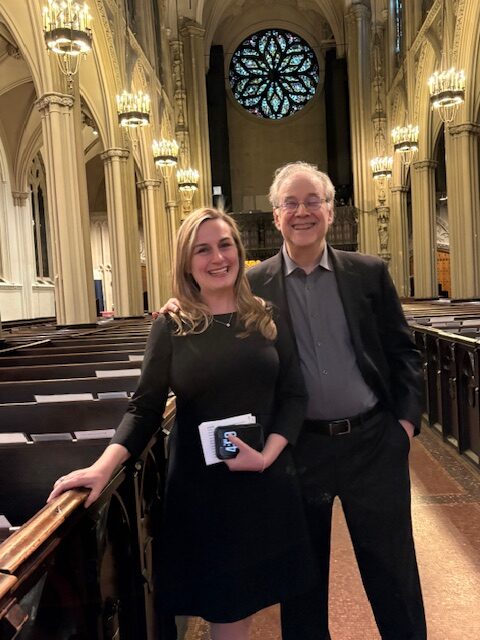
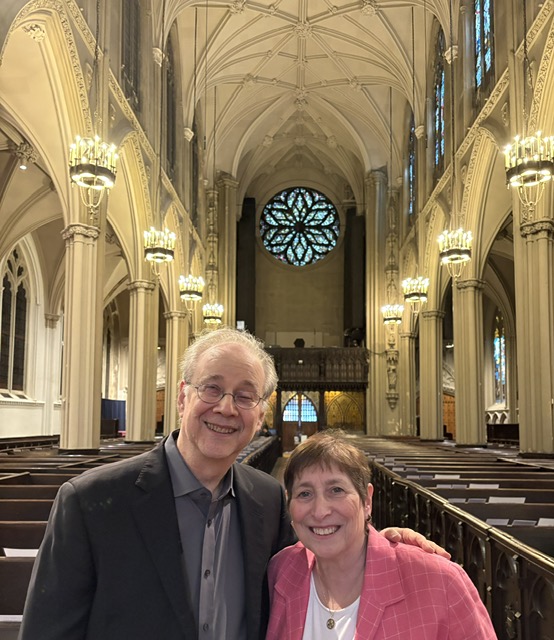
“From Story to Score,“ An evening of musical excerpts and conversation at Grace Church (2026)
Presented by The Mount and Grace Church
Moderated by Natalie Johnsonius Neubert, President and CEO of Berkshire Opera Festival
Singers: Kerrigan Bigelow and Sofia Scattarreggia
Piano: Luke Poeppel
Note about Edith Wharton
EDITH WHARTON is one of the most prominent American writers of the 20th century. She is best known for writing about upper-class society in the Gilded Age, as depicted in The Age of Innocence, The House of Mirth, Ethan Frome, The Custom of the Country, The Reef, and many others, including her short stories, “Roman Fever” being one of her most popular. In 1921, she became the first woman to win the Pulitzer Prize for Fiction for The Age of Innocence. In addition to being a literary giant, Edith Wharton was a master garden and interior designer, and her legacy in that regard lives on at The Mount, the home she built and decorated in Lenox, Mass. The Mount is now an historic home, museum, cultural center and public park, and houses Wharton’s extensive personal library.